Intermediate Dance Training for Ages 8 to 12 in Union Build Strength and Skill with Intermediate Level I and II Dance Classes
Elevate your dancer’s technique with a dynamic intermediate program designed to refine control, artistry, and versatility. Students explore a wide range of styles including jazz, musical theatre, ballet, lyrical, contemporary, tap, hip hop, acro tumble, ballet pre pointe, and ballet tap jazz. Each class strengthens foundational skills while encouraging confidence, creativity, and steady progress.
Get more information about our classes and schedule on the next page!
Transform Your Dancer’s Technique, Confidence, and Connection
Intermediate dancers build stronger technique through focused training that improves alignment, control, flexibility, and coordination. Each class challenges students to refine their skills across styles while developing the strength needed for more advanced movement.
Our instructors guide dancers through new skills and level appropriate challenges that build confidence and resilience. Students learn to set goals, work through corrections, and celebrate progress, helping them grow both in and beyond the studio.
Intermediate Level I and II classes create an encouraging environment where dancers support one another, build friendships, and experience the value of teamwork. This sense of community inspires motivation, belonging, and a love for dance.
Watch Your Dancer Progress with Purpose and Confidence
Give your dancer the structure, challenge, and inspiration they need to grow. Our Intermediate Level I and Level II programs help students strengthen technique, expand artistry, and develop discipline through focused training and supportive coaching. With a curriculum built around progression and skill refinement, dancers gain confidence as they master new movements, improve control, and explore a variety of styles. Each class encourages personal growth, creativity, and a love for learning that carries into every part of their lives.
Level I introduces dancers to more detailed technique and movement quality. Students strengthen foundational skills, learn complex combinations, and begin exploring performance dynamics across multiple styles.
Level II builds on Level I with increased technical expectations, deeper artistic development, and enhanced strength and flexibility. Dancers refine precision, musicality, and versatility to prepare for advanced training.
These classes blend strong jazz technique with expressive storytelling. Dancers develop sharp, energetic movement, musical interpretation, and stage presence that elevate their performance confidence.
Students gain essential technical training through ballet foundations while exploring emotional expression in lyrical and contemporary styles. Each class enhances control, fluidity, and artistic growth.
Tap classes strengthen rhythm, timing, and sound clarity. Dancers learn intricate footwork, improve coordination, and develop a strong sense of musicality.
Hip hop encourages confidence and individuality. Dancers build agility, strength, and musical awareness through dynamic choreography and grounded movement.
Acro tumble combines flexibility, strength, and control. Students safely learn skills such as balances, rolls, and basic tumbling progressions that enhance overall athleticism.
Pre pointe prepares dancers for future pointe work by focusing on ankle strength, alignment, balance, and proper ballet technique essential for safe progression.
This combination class reinforces core dance skills across three foundational styles. Dancers build versatility and a deeper understanding of movement, rhythm, and technique.
Why Families Trust Villa West Performing Arts for Intermediate Training

Our Intermediate program provides structured training that helps dancers advance with confidence. With clear skill progressions and class options across multiple styles, families can choose schedules that support consistent growth without overwhelming their routine.

Dancers train in an environment built for learning and safety. Our experienced teachers emphasize proper technique, alignment, and injury prevention, ensuring each student receives guidance appropriate for Intermediate Level I and Level II.

Intermediate dancers thrive in a positive community where peers motivate one another and celebrate progress. Families appreciate the welcoming atmosphere that helps dancers build friendships, feel supported, and stay excited about returning to class each week.
Discover the Villa West Performing Arts Difference
See how our Intermediate dance program compares to traditional sports and other activities. The structure, training, and environment at Villa West Performing Arts offer a balanced approach that supports technical growth, artistic expression, confidence, and overall development.
Many sports emphasize competition and physical performance, often leaving little room for creativity, emotional expression, or artistic development that older children need to stay motivated and confident.
Competitive team environments can make students feel overlooked if they are not top performers. Limited playing time or selective opportunities can diminish confidence and discourage continued participation.
When the focus shifts heavily toward winning, students may feel stressed or pressured. This often reduces enjoyment and leaves little space for personal growth, collaboration, and self expression.
Large team settings divide instructor focus across many participants, making it difficult for students to receive personalized correction or guidance that supports skill advancement.
Intermediate Level I and II training supports strength, flexibility, artistic growth, and self awareness. Dancers improve technique while developing confidence, discipline, and emotional expression in a structured, encouraging setting.
Every student is valued and guided at their individual pace. Dancers learn challenging skills, refine movement quality, and build confidence through a positive training atmosphere that celebrates progress and personal achievement.
Our curriculum emphasizes growth, consistency, and the enjoyment of learning. Students experience pride in skill development, dedication, and teamwork, which prepares them for long term success in dance and beyond.
Teachers provide meaningful corrections and one on one feedback that helps each dancer strengthen their technique and reach new milestones. This individualized approach also nurtures responsibility, communication, and strong social skills.
Strengthening Technique, Alignment, and Body Control
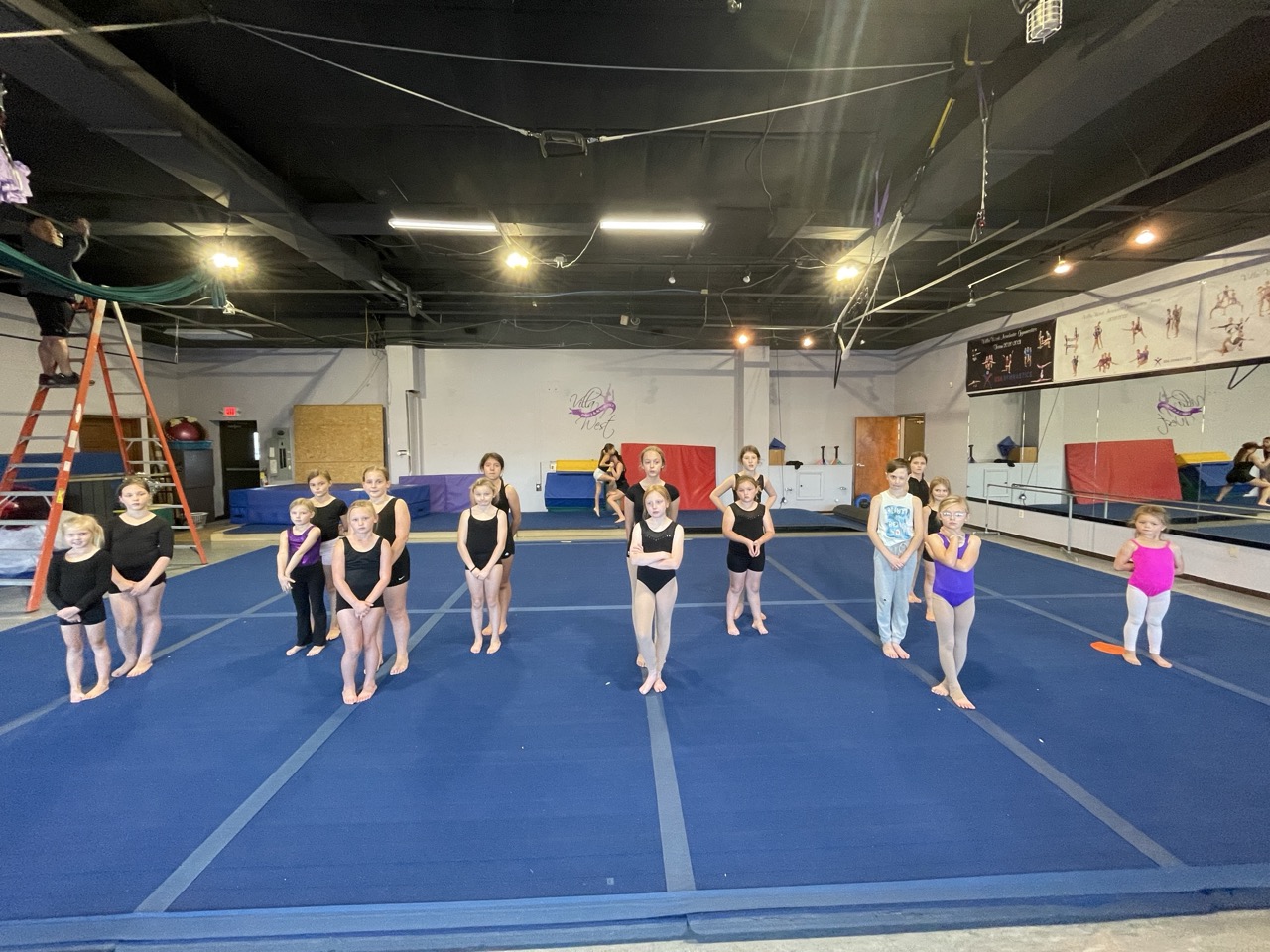
Intermediate dancers begin stepping into training that requires more awareness, consistency, and intentional movement. Ballet, lyrical, and contemporary classes guide students through exercises that strengthen core stability, turnout, balance, and controlled transitions. These fundamentals allow dancers to approach more complex choreography with confidence. In Level I, students spend time reinforcing proper alignment and refining the foundational skills needed for safe progression. Level II introduces deeper coordination challenges, longer combinations, and a stronger emphasis on artistry. As dancers build these skills, they gain a clearer sense of how to move with efficiency and purpose, which supports long term success in every style they study.
Key skills developed:
- Alignment and body placement
- Core strength and stability
- Controlled transitions and movement quality
- Improved balance and coordination
Expressing Personality Through Performance and Style
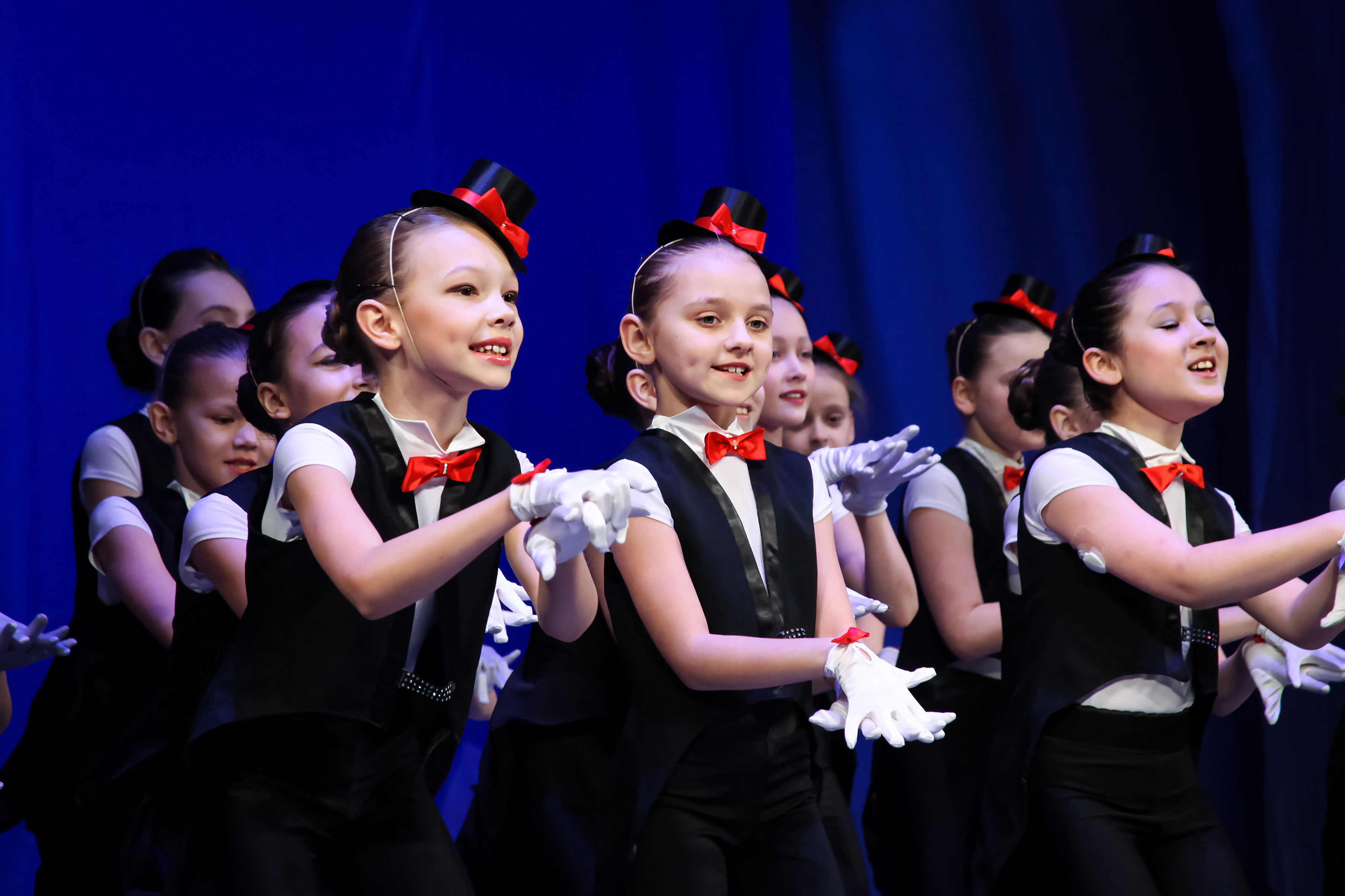
Jazz and musical theatre classes give Intermediate students the tools to build confidence and stage presence. Dancers practice dynamic footwork, strong lines, rhythmic clarity, and expressive movement that help them perform with personality. Level I introduces the structure of jazz technique and the basics of character driven performance, while Level II challenges dancers to connect emotion, timing, and energy with more advanced choreography. These classes help students become more adaptable movers who can shift between technical precision and expressive storytelling. This training also strengthens musicality and coordination, which directly enhances their performance across other styles like hip hop, tap, and contemporary.
What dancers gain:
- Sharper technique and cleaner execution
- Greater musicality and rhythm awareness
- Confidence in expression and storytelling
- Versatility in performance across multiple styles
Building Strength, Stability, and New Skills
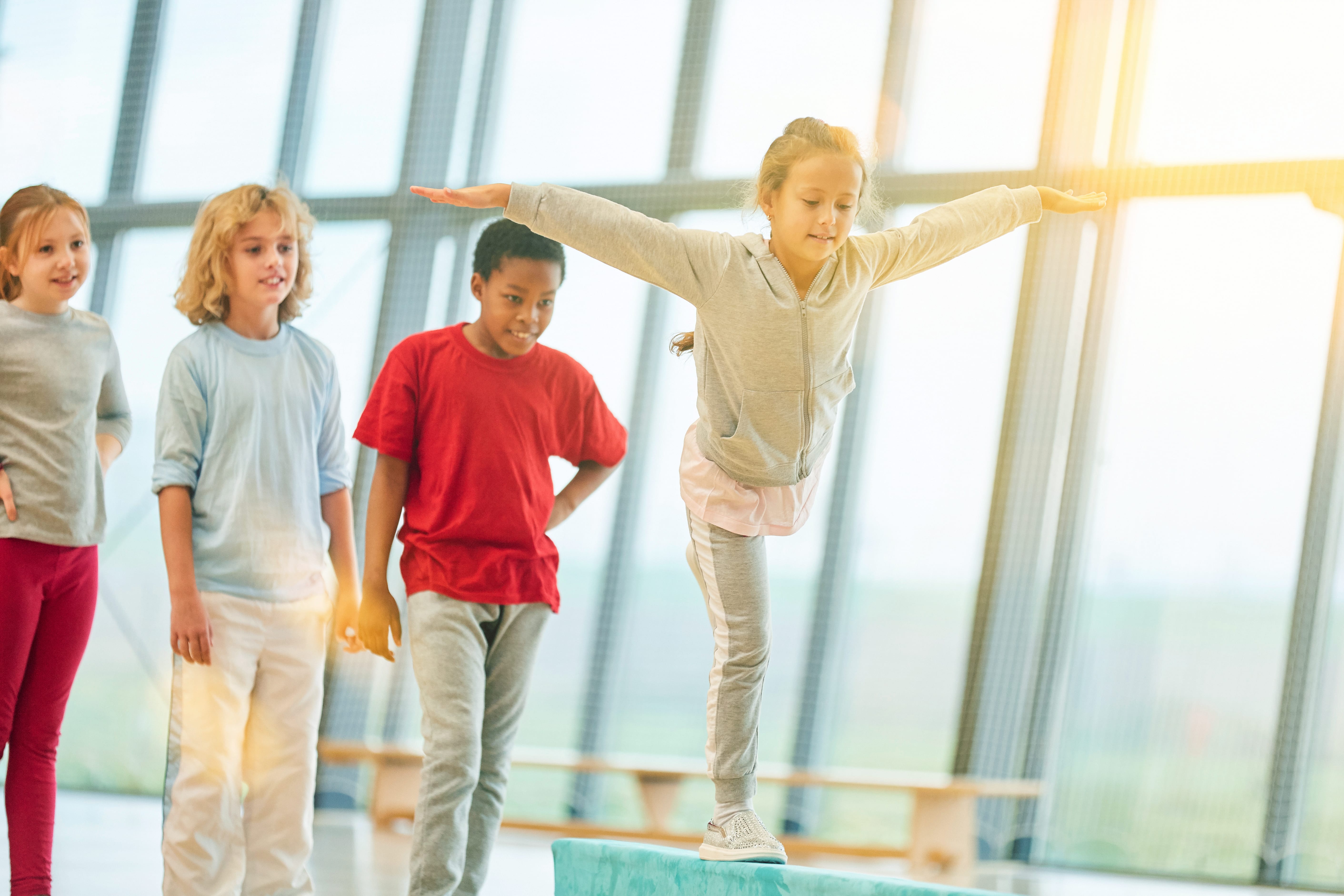
Acro tumble supports the physical development Intermediate dancers need as they take on more demanding choreography. Students work through progressions that build flexibility, endurance, stability, and controlled strength, which improve their ability to safely execute tumbling and acro based movement. Level I focuses on conditioning, proper form, foundational inversions, and basic tumbling patterns. Level II introduces more coordination based skills and challenges dancers to connect acro elements with dance transitions. This training gives students a strong advantage in choreography that requires power, lift, or floor work, helping them move more confidently and creatively in any style.
Training benefits:
- Full body strength and flexibility
- Better control in inversions and balances
- Stronger spatial awareness and coordination
- Confidence in learning new physical skills
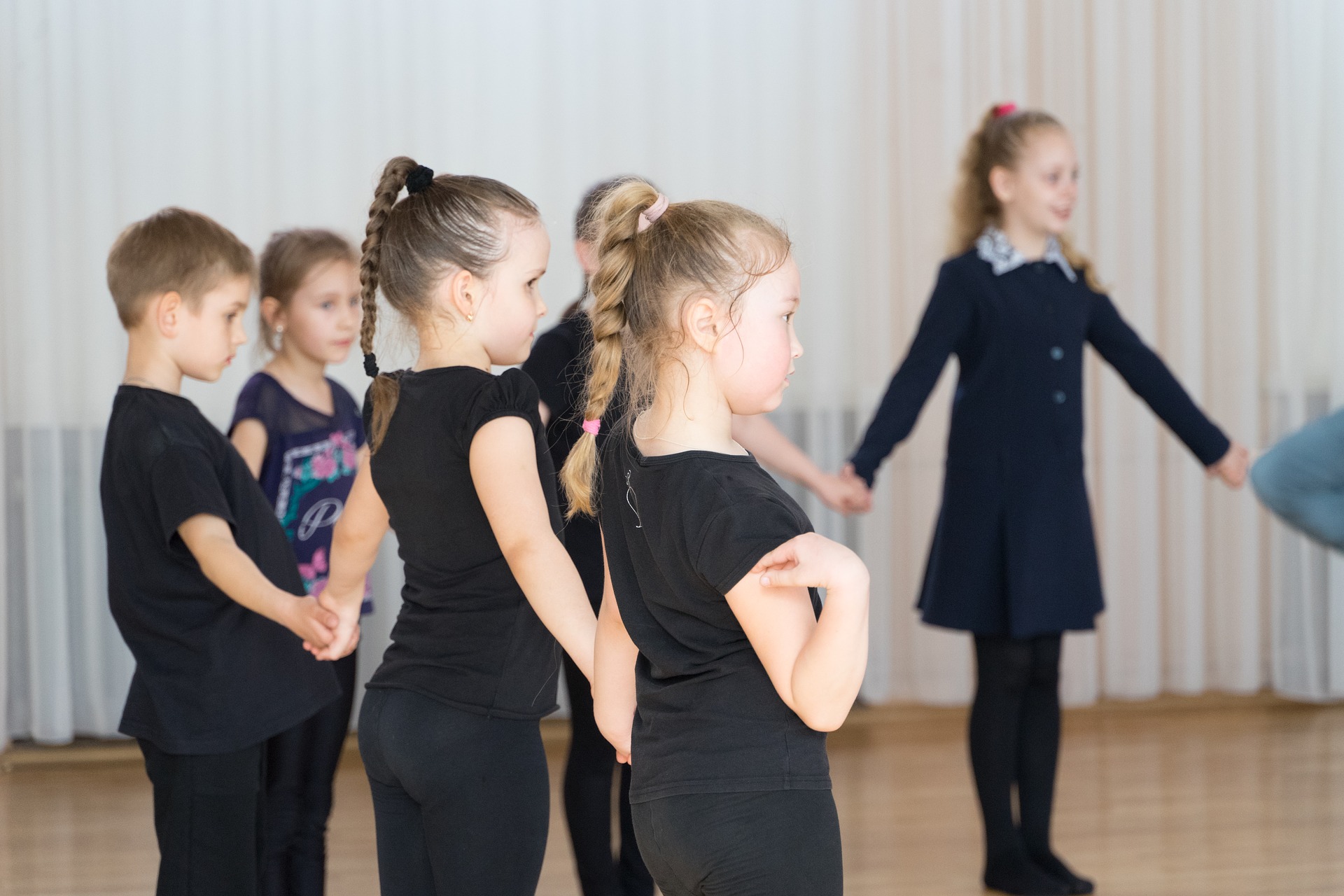
Building Confidence, Leadership, and Team Connection
Intermediate dancers learn how to balance personal growth with teamwork. As choreography becomes more intricate, students must communicate clearly, listen to corrections, and understand how their timing and spacing affect the entire group. Level I introduces dancers to these responsibilities by encouraging positive group habits and developing trust in their peers. In Level II, dancers take on more leadership within rehearsals and build the confidence to support one another through challenges. These experiences help students grow into capable, responsible, and collaborative young performers who understand the value of commitment and community.
Growth areas emphasized:
- Teamwork and communication
- Leadership and accountability
- Confidence in rehearsal and performance settings
- A strong sense of belonging and connection
What Families Love About Our Intermediate Program
Parents and dancers share how the Intermediate program at Villa West Performing Arts has supported growth, confidence, and lasting connection. These stories highlight real progress in technique, discipline, and personal development as dancers move through Level I and Level II. Explore these authentic experiences to see how our structured training, supportive instructors, and welcoming community help dancers thrive at every stage.

Villa West continues to exceed my expectations that I had when I initially enrolled my super shy, very quiet 4 year old into their Acro classes over a year ago. Every single instructor and coach has been more than accommodating to my sweet girl. They are patient, kind, happy, joyful and always welcoming. They have been so energetic and encouraging that my daughter has requested to enroll into dance so she can perform ON HER OWN at recital! AMAZING! The confidence they build up in each athlete is something that they should feel so proud of!! They make every athlete (and this momma!) want to achieve their highest potential while keeping safety and everyday life obstacles at the forefront of minds and allowing these kids to be kids! Villa West is, hands down, the best gym and I’d recommend it to anyone and everyone!!!
We have been at Villa west for 3 years now and are so happy with this studio! The teachers are so knowledgeable and wonderful with our daughter. It’s such a great atmosphere filled with positivity! The kids get a chance to be a part of learning dance/acro, being active and building friendships. We can’t say enough good things about our experience there! 10/10 recommend!

Villa West is the BEST studio!! My daughter has been there for 5 years and we can not be happier!! All the staff/teachers are amazing and always so friendly. Walking in each night the first thing you see is their smiling faces and happy happy kiddos ready to dance!! We are so thankful to be apart of such an amazing family💜 …
This is our sixth year with Villa West and each season I am so so glad to be with this studio. Every teacher is so invested in their students’ growth both as athletes and individuals. They nurture a positive and uplifting environment and my girls have found a true home within VWPA.

We have been with Villa West for 5 years and counting. I initially chose the studio based on the credentials and experience of the instructors but have since learned this studio is so much more. The owner prides herself on making sure that Villa West teaches more than dancing. These kids are learning teamwork, character, and the value of hard work. All of the instructors make sure that the music, choreography, and costumes are age appropriate and that makes this studio stand out. This studio helps to reinforce values that are important to me. While we love to earn high scores and trophies, the instructors make sure that the dancers work to achieve their personal best and keep pushing to become better. This studio also allows dancers to participate in the level they are comfortable with from regular classes with a recital in the spring, to performance groups which go to a couple competitions, to dance company with accelerated classes and competitions. Miss Jenny continues to bring new talented instructors in and they have all become like family. She also continues to try new things and finds new ways to give kids opportunities to try new things out. We even love how involved she makes the parents feel. My girls love their Villa West family.

We have been at Villa West for 6 years, I can’t say enough great things about the studio! We took a year off to try different sports and my kiddos and I both knew that our hearts were missing the studio! The staff is always professional! They are great with all of the kiddos. The environment is welcoming and safe! But I also have to compliment the kids that attend there, especially the company and Acro gym team kids! They are one big family!! I love seeing them help each other grow, be so welcoming, and on breaks just play and be friends together!! I don’t know that VW will ever know how thankful we are for our dance family!!

The teachers at Villa West are truly the best! They are patient and kind. They give the kids the opportunity to be themselves and reach their potential with encouragement and understanding. We feel included by our coaches and have had a really great experience. A good learning experience for our family, and one that I am grateful to be a part of!✌️❤️

Villa West puts Family First! 💜

The care and compassion shown by the teachers and staff at Villa West is something that continues to make the studio our home away from home. Having a studio in our community that focuses on letting kids be kids while providing a foundation in dance and acro that will continue with them for a lifetime, is truly a blessing.

Miss Jenny and Miss Alley are so great. My granddaughter has learned so much. Definitely recommend

Villa West is simply the best. Madeline has been attending classes since she was 3 and we have never felt more at home (she’s 9 now!). The teachers are all wonderful and welcoming and the atmosphere is delightful. This is our first year on the competition team and it has been nothing short of amazing. Watching her confidence and skill grow each week makes this mommas heart so happy! Thank you to the staff for making our experience the best. Can’t wait to see the competition team in action in the spring!

Amazing dance studio. The staff is kind and always smiling. My daughter has learned so much in the last 3.5 years. She loves going and has made many new friends.

Wonderful, talented, and caring staff — a great school. They support their dancers as individuals, and also teach great teamwork. Very much a family, with open and welcoming arms to new dancers. Miss Jenny is amazing, but all the teachers are great. A variety of staff too, with different specializations and focuses. Well rounded curriculum makes this school available to everyone.

The atmosphere is absolutely fantastic! It feels like family at the studio. Friendships are made. Everybody encourages each other. It’s exactly what I want my daughter to see from older students and staff.
All of the teachers are fabulous as well. They are encouraging and teach students in such a way they flourish with their own style.
My daughter loves going to dance and I love taking her to a studio that cares for each student!

We love Villa West! I can see my kids’ skills and confidence growing in just two months of classes.
We love Villa West!! The staff is phenomenal and my daughter looks forward to her class every Wednesday since we started. I’m so glad we chose this school for her dance classes. Check it out!
Villa West is a wonderful place to take your children to learn many forms of dance and acro. The instructors/coaches are amazing and care for each child as if they were their own. They are always smiling and full of encouragement. They instill hard work, proper technique, dedication, and perseverance into each student. And everyone is taught to lift up their fellow classmates and cheer one another on. The seasoned dancers are great role models to the younger kids and it’s so sweet to see the older girls making those bonds. I am so happy that my family is a part of Villa West!
Get more information about our classes and schedule on the next page!
FAQs
Intermediate dancers should wear attire that supports clear movement and proper technique. Ballet and lyrical classes use a leotard, tights, and ballet shoes, while jazz, hip hop, and acro tumble allow for a fitted top with dance shorts or leggings. Teachers will provide a simple class specific dress code at enrollment to help dancers feel confident and prepared.
Intermediate Level I and II classes meet once a week for approximately 45 minutes to one hour per class. This structure gives dancers consistent training time that supports steady progress while fitting comfortably into family schedules.
Most families find that the only additional costs include basic dance attire, shoes, and optional recital costumes. Villa West Performing Arts aims to keep everything clear and manageable, and families receive a detailed list of any needed items during registration so there are no surprises.
Dancers are placed in the level that best supports their current technique, physical readiness, and confidence. This ensures they learn at a pace that challenges them without feeling overwhelmed. Our approach allows dancers to build strong foundations, stay motivated, and enjoy meaningful progress throughout their training.
Intermediate classes are intentionally kept small so each dancer receives individualized instruction and consistent feedback. Our studio uses sprung floors, certified instructors, and developmentally appropriate progressions to help dancers train safely and confidently. Proper technique and injury prevention are woven into every class.
The Lasting Advantages of Intermediate Training at Villa West Performing Arts
Intermediate Level I and Level II give dancers the space to explore who they are as artists. Through styles like ballet, lyrical, contemporary, jazz, and musical theatre, students learn how to express emotion, interpret music, and make creative choices with confidence. This freedom to explore artistry helps dancers build self esteem and develop a stronger personal connection to movement.
Intermediate dancers learn how to balance regular training with school and other activities. Managing practice schedules, preparing for rehearsals, and staying consistent with their goals teaches students how to stay organized and responsible. These habits support academic success and prepare dancers for the expectations of higher level training.
At this stage, dancers receive more detailed corrections and feedback to help refine their technique. Learning to apply this guidance with a positive mindset helps students build confidence, resilience, and the ability to handle challenges constructively. These skills extend far beyond the studio and support healthy emotional development.
Intermediate classes incorporate ballet conditioning, acro tumble progressions, tap rhythms, and hip hop movement drills that build full body coordination. Dancers strengthen their core, improve balance, and increase overall flexibility, helping them move with power and control. This physical development supports safe progression into more advanced choreography and styles.
Get more information about our classes and schedule on the next page!